MEJIA, ALIAKBARI: Ottawa’s ‘green economy’ fails to fulfil promise
So, what economic benefits did Canadians receive for all these billions? Not much. Despite the massive rise in government spending, the green sector’s share of Canada’s economic output increased only marginally…
Article content
Back in 2021, when trying to justify the costs of his “green economy,” then-prime minister Justin Trudeau said “if you don’t have a plan to tackle climate change, then you don’t have a plan to create jobs and economic growth.” But despite their mounting costs, Ottawa’s green initiatives have done little to create jobs and grow the economy.
Advertisement 2

Article content
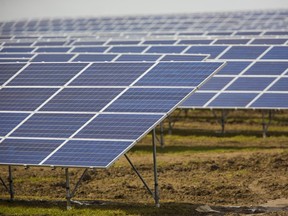
The “green economy” includes the generation of electricity through renewable sources (e.g. wind and solar), electric vehicles (EVs), building retrofits, alternative fuels such as hydrogen, waste and water management, and so on.
Article content
Recommended Videos
Article content
Federal spending jumps
Between 2014/15 and 2024/25, the annual cost of federal spending and tax credits to promote the green sector increased from $600 million to $23 billion — or more than 3,700%. During this period, total federal spending on the green sector was $70.5 billion (after adjusting for inflation). The federal price tag includes grants to EV manufacturers and payments to international entities such as the United Nations Framework Convention on Climate Change.
Meanwhile, during the same period, in the four largest provinces (Quebec, Ontario, Alberta and B.C.) the annual cost of spending and tax credits to promote the green sector increased from $2.2 billion to $10.6 billion, or more than 380%. In Ontario, for example, spending items include energy retrofits in multi-unit buildings.

Calgary Sun Headline News
Article content
Advertisement 3
Article content
Altogether, over the last decade the cost of spending and tax credits supporting the green sector from the federal government and the four largest provinces totalled $158 billion (inflation-adjusted). And this figure excludes government spending by other provinces and municipalities, compliance costs to businesses, costs of implementing regulations, and job losses and changes across other sectors of the economy.
So, what economic benefits did Canadians receive for all these billions?
Not much. Despite the massive rise in government spending, the green sector’s share of Canada’s economic output increased only marginally, from 3.1% in 2014 to 3.6% in 2023. And since 2014, the green economy has only created 68,000 new jobs. By contrast, in 2023 alone, the Canadian economy added more than 530,000 jobs — almost eight times the sector’s job gains over roughly an entire decade. And the sector’s contribution to national employment remains small, representing only 2% of total jobs in 2023.
Advertisement 4
Article content
Conventional growth
Finally, nearly half of the green sector includes long-established industries such as construction and waste management. In other words, you can’t attribute the sector’s paltry growth and employment gains primarily to the government’s green spending, but rather to the expansion of conventional industries.
Read More


The federal government, and provincial governments, promised the green economy would deliver great prosperity. But despite massive spending, that promise has not materialized. In its upcoming budget and beyond, the Carney government should acknowledge reality and reverse the Trudeau-era policies that have cost Canadians so much for so little in return.
Julio Mejia and Elmira Aliakbari are analysts at the Fraser Institute. This op-ed was co-authored by Jake Fuss, director of fiscal studies at the Fraser Institute.
Article content