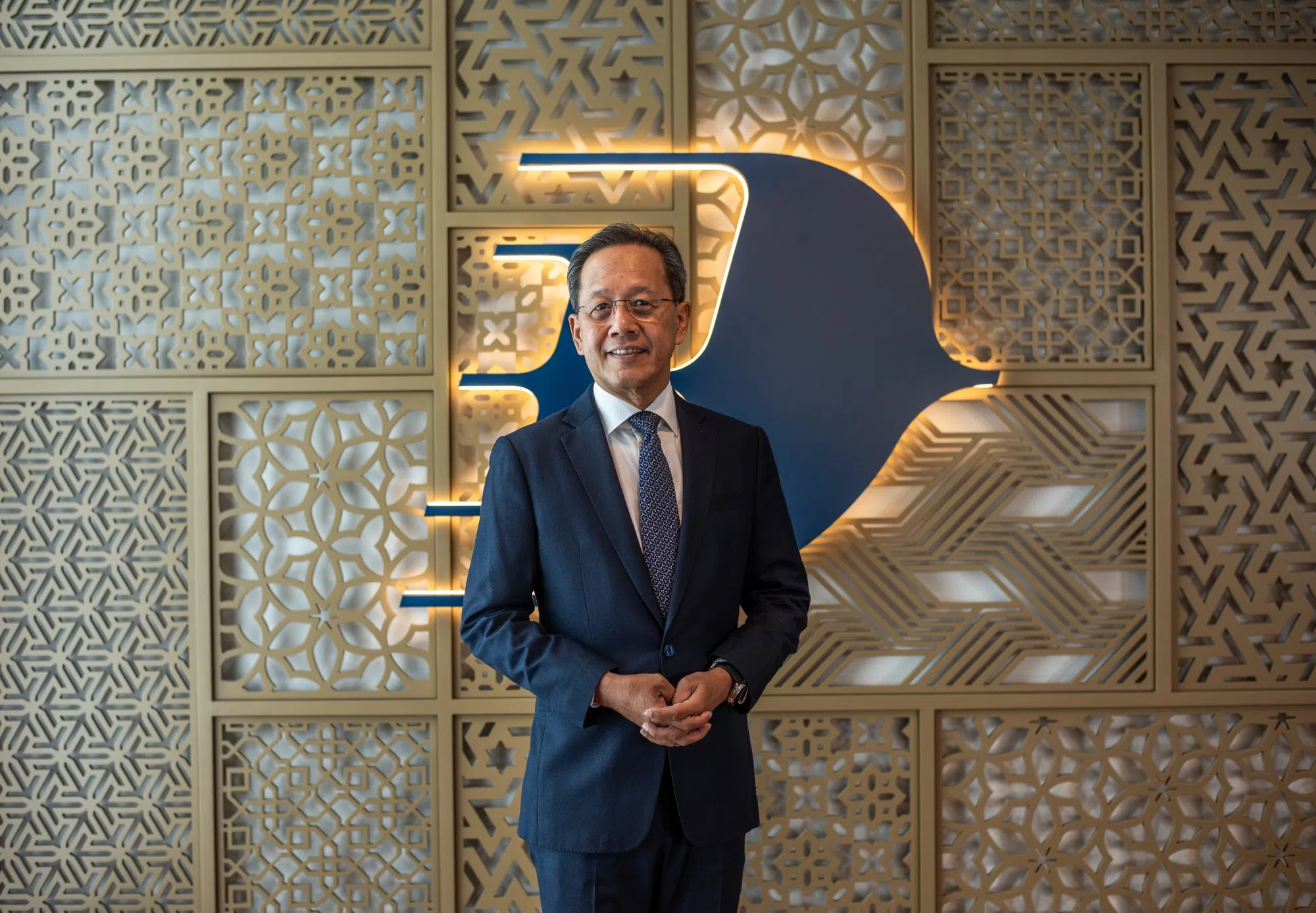
Ten years after MH370, Malaysia Airlines seeks to shed troubled past
MENTION Malaysia Airlines and most peoples’ thoughts will turn to the enduring mystery of the disappearance of Flight MH370 a decade ago and the tragic shooting down of MH17 just months later.
Now, after posting its first net profit in more than 10 years, chief executive officer Izham Ismail wants to write a new chapter – shedding the carrier’s troubled past and transforming it into a well-run, consistently profitable airline.
“The perception from the public is that this was a laid-back organisation,” Izham, who is managing director of the carrier’s parent Malaysia Aviation Group, said. “But the new Malaysia Airlines is different, we are creating an organisation that is hungry.”
Izham said 2024 will be a “year of credibility” for the airline, as it seeks to prove that consecutive years of operating profit were not a fluke caused by the post-pandemic surge in airfares and travel demand. He then aims to turn Malaysia Airlines into a premium carrier by the end of the decade.
Malaysia Airlines has undergone five turnaround programmes since the 1997 Asian financial crisis, and was delisted from Malaysia’s stock exchange and taken private by sovereign wealth fund Khazanah Nasional after the twin disasters of MH370 and MH17 – in which 534 people died.
The airline had turned to two foreign bosses – Aer Lingus Group veteran Christoph Mueller and former Ryanair Holdings executive Peter Bellew – to revive its fortunes, but both lasted about a year in their roles, before Izham, who has been with the carrier since 1979, took the reins in December 2017.
A NEWSLETTER FOR YOU
Asean Business
Business insights centering on South-east Asia’s fast-growing economies.
The former pilot, who is generally addressed as ‘Captain’ by his colleagues and peers, led Malaysia Aviation Group – which derives most of its income from the carrier – to a RM766 million (S$218 million) net profit in 2023, its first since 2010. It also posted an operating profit in 2022.
Underscoring its revival, the airline last month signed a multi-year deal to become English soccer club Manchester United’s commercial airline partner. Izham said the agreement was part of an existing marketing budget and came “dirt cheap”, but did not disclose the price.
Now the longest serving chief executive in the airline’s history, the 63-year-old is “at the crossroads” on whether to continue after his contract expires in December. “But we have a pool of successors ready to take on my role at any time,” he said.
Izham has built a C-suite leadership with an average age of 46, which he is banking on to provide “continuity” to the business plan he has put in place.
That plan aims to have Malaysia Airlines among the world’s top 10 by the end of the decade, although Izham admits its current products are “inferior” to premium segment leaders such as Singapore Airlines and Qatar Airways – which the carrier is looking to emulate. Both carriers have reported record profits after staging a faster comeback from the pandemic.
With RM5 billion, or just over US$1 billion, in cash reserves, Izham said that the airline can start investing in its products – such as revamping its fleet, catering, and upgrading seats. It also has a further unused RM2.3 billion of capital from Khazanah.
In other highlights from the interview, Izham said:
- The airline is looking to add at least another 25 narrowbody plane orders by the end of 2024, with the winning bidder to be named later this year.
- There is no “urgency” to relist, and the company would need three consecutive years of net profitability and to “consistently look pretty” before considering such a move. “The upside of being a private entity is that the decision making and execution is fast,” he said.
- International market revenue share has grown to 85 per cent from 55 per cent since 2021, allowing the airline to hold 42 per cent of its cash reserves in US dollars.
- The airline aims to increase frequency of flights to Australia, using Kuala Lumpur as a hub for passengers from Europe. BLOOMBERG